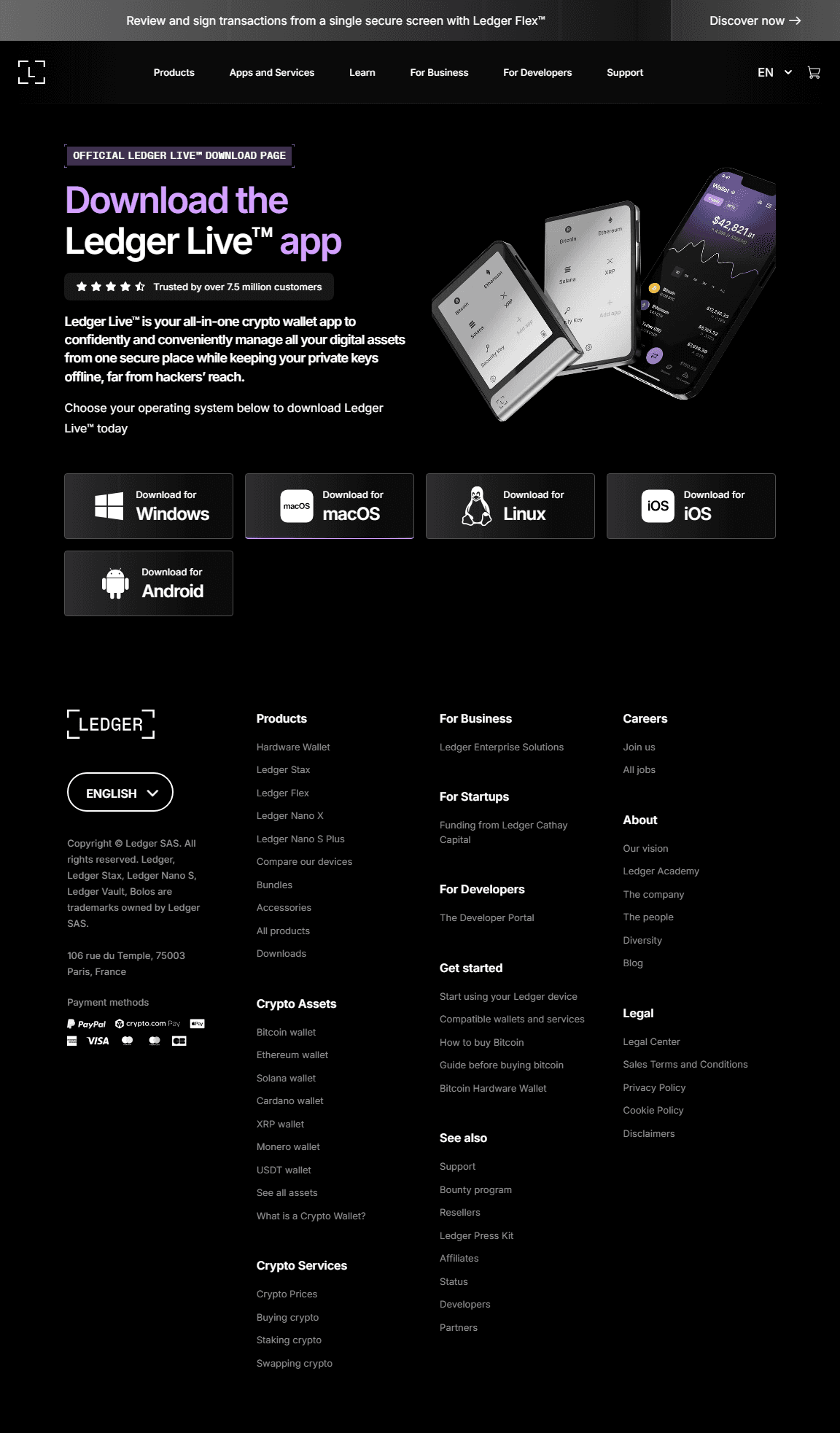
Ledger Login: Secure Access in the Hardware Wallet Era
Introduction
As digital assets become a permanent part of the global financial ecosystem, the way users access and protect those assets has taken on critical importance. Unlike traditional online banking or centralized exchanges, cryptocurrency places the responsibility of security directly in the hands of the user. This shift has made hardware wallets a preferred choice for long‑term holders and security‑conscious investors. At the center of this experience lies Ledger Login—the process by which users securely access their Ledger wallet ecosystem.
Ledger Login is not a single username‑and‑password action. Instead, it is a layered security interaction that combines physical device verification, cryptographic authentication, and user confirmation. Understanding how Ledger Login works, why it is different, and how to use it safely is essential for anyone managing digital assets with a Ledger device.
What “Ledger Login” Really Means
Unlike conventional platforms, Ledger does not rely on centralized login credentials stored on servers. When people refer to “Ledger Login,” they are usually describing one of the following actions:
Unlocking a Ledger hardware wallet with a PIN
Connecting the device to Ledger Live
Approving access to an application or service using the Ledger device
Verifying identity through cryptographic signatures
In essence, Ledger Login is device‑based authentication, not account‑based authentication. Your identity is proven by possession of the physical wallet and the private keys it protects—not by entering personal information online.
The Role of the Hardware Wallet in Login Security
The defining feature of Ledger Login is that private keys never leave the hardware device. When you log in or approve an action:
The request is sent to the Ledger device
The device displays transaction or access details
You physically confirm the action using the device buttons
This design ensures that even if the computer or smartphone you are using is compromised, an attacker cannot log in or authorize actions without the Ledger device itself.
This physical confirmation layer is what makes Ledger Login fundamentally different from browser‑based authentication methods.
Ledger Live and the Login Experience
Ledger Live is the primary software interface used alongside Ledger hardware wallets. While Ledger Live does not require a traditional account login, access is still controlled through device authentication.
How Ledger Login Works in Ledger Live
You open the Ledger Live application
You connect your Ledger device via USB or Bluetooth
You unlock the device using your PIN
Ledger Live verifies the device and grants access
There is no cloud‑stored password, no email‑based login, and no centralized account recovery. Control remains entirely with the device holder.
PIN Codes: The First Layer of Protection
The Ledger Login process begins with a PIN code. This PIN:
Is set during initial device setup
Is required every time the device is connected
Protects the device from unauthorized physical access
After several incorrect attempts, the device wipes itself automatically. This self‑destruct mechanism ensures that stolen devices cannot be brute‑forced to gain access.
A strong, unique PIN is one of the most important components of Ledger Login security.
Ledger Login for Third‑Party Applications
Beyond Ledger Live, many decentralized applications (dApps) and services support Ledger as a login method. In these cases, Ledger Login acts as a cryptographic identity verifier.
Instead of entering credentials:
The application sends a login request
The Ledger device prompts you to approve a signature
The signature proves wallet ownership without revealing private keys
This method allows users to log in to Web3 platforms while maintaining full custody of their assets.
Why Ledger Login Is More Secure Than Traditional Logins
Traditional logins rely on information that can be copied, stolen, or leaked. Ledger Login avoids these risks by design.
Key Security Advantages
No passwords stored online
No centralized authentication servers
No exposure to phishing pages mimicking login forms
Physical confirmation required for every action
Because the login process requires both the device and user interaction, remote attacks become significantly harder to execute.
Common Misunderstandings About Ledger Login
Despite its popularity, Ledger Login is often misunderstood. Some common misconceptions include:
“Ledger has an online account I can log into” – It does not
“I can reset my Ledger login online” – Recovery is done via recovery phrase, not servers
“Ledger Live stores my private keys” – Private keys remain on the device
Clarifying these misunderstandings helps users avoid dangerous assumptions that could lead to loss of funds.
The Recovery Phrase and Login Recovery
Ledger Login security ultimately depends on the recovery phrase generated during setup. This phrase:
Is the only backup for wallet access
Can restore access if the device is lost or damaged
Should never be entered online or shared
If you lose your Ledger device, there is no “forgot password” feature. Login recovery happens by restoring the wallet on a new Ledger device using the recovery phrase.
Ledger Login and Mobile Devices
Modern Ledger devices support mobile connectivity, allowing Ledger Login via smartphones. While the experience is more portable, the security model remains the same:
The device must be physically present
The user must unlock it with a PIN
Every action requires confirmation on the device screen
This ensures that convenience does not come at the cost of security.
Recognizing and Avoiding Fake Ledger Login Attempts
As Ledger’s popularity has grown, so have phishing attempts. Attackers often create fake “Ledger Login” pages designed to trick users into entering recovery phrases.
Important Rules to Remember
Ledger will never ask for your recovery phrase
There is no web‑based Ledger login page
Login approval always happens on the device itself
If a website asks for secret words or claims your account needs verification, it is not part of the legitimate Ledger Login process.
Best Practices for a Safe Ledger Login Experience
To maintain maximum security when using Ledger Login:
Keep your device firmware updated
Use a strong, private PIN
Store your recovery phrase offline in a secure location
Always verify details on the device screen
Avoid clicking unsolicited links related to “Ledger login issues”
These habits reinforce the built‑in protections of the Ledger ecosystem.
Ledger Login in the Future of Digital Identity
Ledger Login represents more than wallet access—it reflects a broader shift toward self‑sovereign identity. As decentralized finance, NFTs, and blockchain‑based authentication expand, hardware‑based login systems may replace passwords entirely.
By proving ownership through cryptographic signatures rather than personal data, Ledger Login aligns with a future where users control both assets and identity without intermediaries.
Conclusion
Ledger Login is not just a security feature—it is a philosophy. By removing centralized accounts, eliminating password dependency, and requiring physical confirmation, Ledger has redefined what secure access looks like in the digital asset world.
For users, understanding Ledger Login means understanding true ownership. Every login is a reminder that control, responsibility, and security are inseparable in the world of cryptocurrency. When used correctly, Ledger Login offers one of the most robust and user‑empowering authentication systems available today.